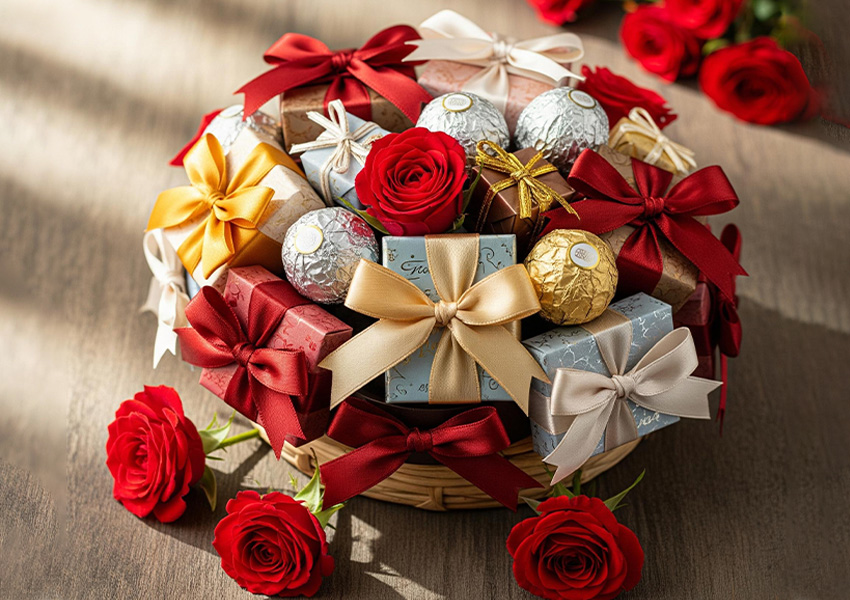
Every February, storefronts turn pink, hearts appear everywhere, and love is wrapped in ribbons of chocolate and roses. But behind the glossy cards and grand gestures lies a far richer story. The origin of Valentine’s Day is not simply about romance—it is a tale of faith, rebellion, poetry, and cultural evolution.
Today, Valentine’s Day feels universal, but its journey from an ancient ritual to a global celebration of affection reveals something profound: love itself is always changing. What began as a day tied to sacrifice and spirituality gradually transformed into a celebration of romantic devotion—and in modern times, it has expanded again to include self-love, friendship, creativity, and conscious connection.
Understanding the history of Valentine’s Day allows us to celebrate it with more intention. Instead of seeing February 14 as just another commercial holiday, we can view it as a gentle yearly reminder to reflect on how we give and receive love in all its forms.
Who Was Saint Valentine? The Legend Behind the Day
The Mysterious Saint Valentine:
The figure at the heart of this holiday remains partly shrouded in mystery. What we commonly call “Saint Valentine” may actually refer to more than one person. Most widely told is the story of a priest living in Rome during the reign of Emperor Claudius II in the third century.
According to saint valentine history, the emperor banned marriages for young men, believing that single soldiers made better warriors. Valentine defied this decree and secretly performed wedding ceremonies for couples in love. His actions were not romantic theatrics but acts of compassion and moral courage.
When his defiance was discovered, Valentine was imprisoned. Legend says that before his execution on February 14, he wrote a letter signed “From your Valentine”—a phrase that echoes through modern cards today. Whether entirely factual or partly symbolic, this story shaped the emotional core of the holiday.
Love, Sacrifice, and Martyrdom:
What makes Valentine’s story powerful is not merely romance but sacrifice. He stood for human connection at a time when authority tried to suppress it. In this way, the meaning of Valentine’s Day was originally rooted in devotion, loyalty, and the belief that love was worth protecting—even at great personal cost.
Rather than being a carefree celebration, early observances of Valentine’s feast day were solemn and spiritual. Love was treated as something sacred, not sentimental. This spiritual depth is often forgotten today, yet it still lingers beneath the surface of why we celebrate love every year.
From Pagan Festival to Romantic Holiday
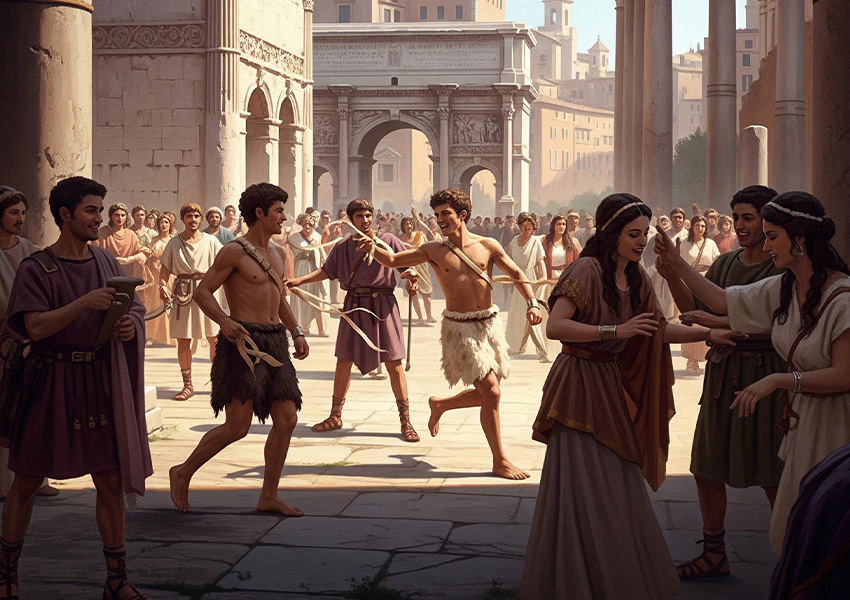
The Roman Festival of Lupercalia:
Long before Valentine, ancient Romans marked mid-February with a festival called Lupercalia. This ritual honored fertility, purification, and the renewal of life. People believed it helped protect crops, livestock, and families from misfortune.
When Christianity spread across the Roman Empire, many pagan traditions were reinterpreted rather than erased. The church eventually placed Saint Valentine’s feast day on February 14, aligning it with older seasonal rituals. Over time, this blending of traditions shaped what we now recognize as the origin of Valentine’s Day.
How Love Entered the Picture:
The connection between February 14 and romantic love did not fully emerge until the Middle Ages. Poets like Geoffrey Chaucer associated the day with courtship and affection, weaving it into literature as a moment when lovers expressed devotion.
By the 18th and 19th centuries, handwritten love letters and printed cards became popular in Europe. The idea of Valentine’s Day slowly shifted from a religious commemoration to a cultural celebration of partnership and passion—setting the stage for the modern holiday we know today.
How Valentine’s Day Became Modern Love Day
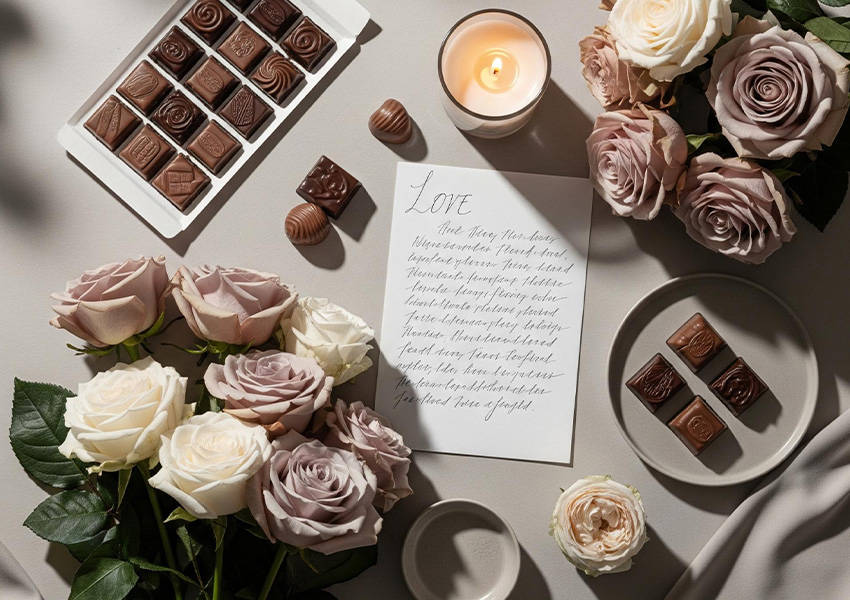
From Handwritten Letters to Hallmark Cards:
With industrialization came mass production. Handmade notes gave way to factory-printed cards, and chocolates, flowers, and jewelry entered the scene as traditional gifts. By the 20th century, Valentine’s Day had become a global commercial event.
While many people enjoy this playful side of the holiday, others question its materialism. Yet this evolution also reflects something meaningful: love moved from private devotion into a shared cultural ritual. The question is no longer just why we celebrate Valentine’s Day, but how we choose to celebrate it.
A Broader Meaning of Love Today:
In recent years, Valentine’s Day has expanded beyond romantic couples. People now use the day to honor friendships, family bonds, personal growth, and self-care. Social media has helped normalize expressions like “Galentine’s Day” and “Self-Love Valentine.”
This shift aligns beautifully with JeenaLavie’s philosophy: love is not limited to one person or one relationship. It is a way of living—with intention, gratitude, and respect for the world around us, including the artisans who create meaningful objects.
Celebrating Love Consciously in the Modern World
As awareness around sustainability and mindful living grows, many people are moving away from disposable, mass-produced gifts. Instead, they are seeking conscious Valentine’s gifts that carry story, soul, and intention.
At JeenaLavie, every product is rooted in craftsmanship and culture—from Moroccan ceramics to Balinese jewelry and holistic skincare. Choosing a handmade piece is not just a purchase; it is a gesture of support for artisans and a celebration of creative love.
Why Meaningful Gifts Matter More Than Ever:
Fast fashion and fast gifting often feel hollow. A plastic heart or generic perfume rarely holds emotional depth. In contrast, meaningful Valentine’s gifts invite connection—to history, artistry, and personal ritual.
A handcrafted object carries the touch of its maker, the memory of a place, and the energy of intention. This is why many people now prefer sustainable Valentine’s gifts that reflect values rather than trends. Love, after all, is best expressed through thoughtfulness, not excess.
Thoughtful Valentine’s Gift Ideas from JeenaLavie
For Spiritual Love: Ritual & Intention Gifts:
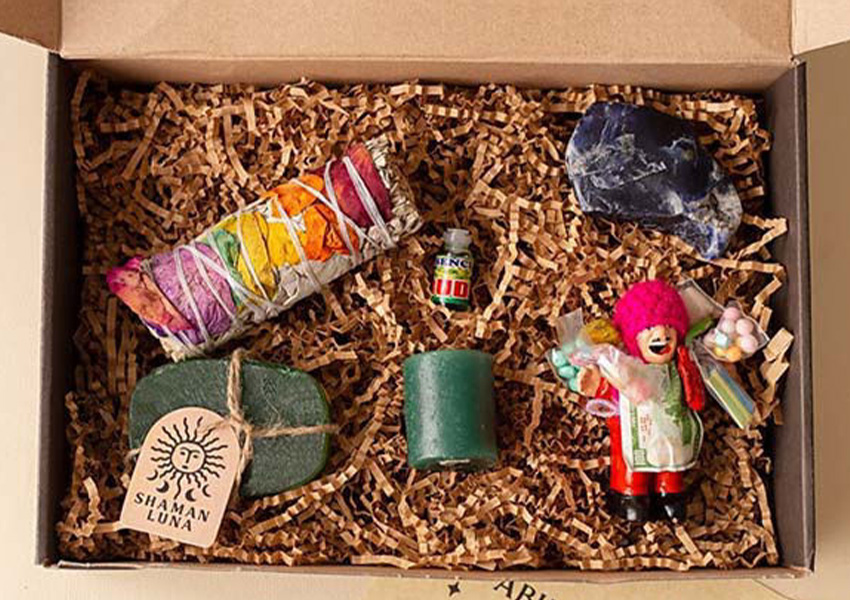
If love is also spiritual, then gifting a ritual object can be deeply moving. JeenaLavie’s Ritual Kit for Abundance is an invitation to pause, breathe, and set intentions together.
Pair this with the Counter Spell Esoteric Cologne, which symbolizes protection and energetic cleansing. Such gifts speak to couples who see love as both emotional and spiritual—a shared journey rather than a transaction.
For Home & Shared Spaces: Artisanal Decor:
Love often lives in the spaces we share. A home filled with meaningful objects becomes a quiet love letter to life itself.
The Handmade Mosaic Tabletop from Lisbon brings color, history, and Mediterranean warmth into a room—perfect for couples who cherish slow mornings and long conversations. Likewise, Moroccan Handpainted Ceramic Plates transform ordinary walls into storytelling galleries.
For something playful yet symbolic, the Mosaic Gecko Wall Art represents renewal and resilience—beautiful themes for any relationship.
For Self-Love: Wellness & Holistic Care:
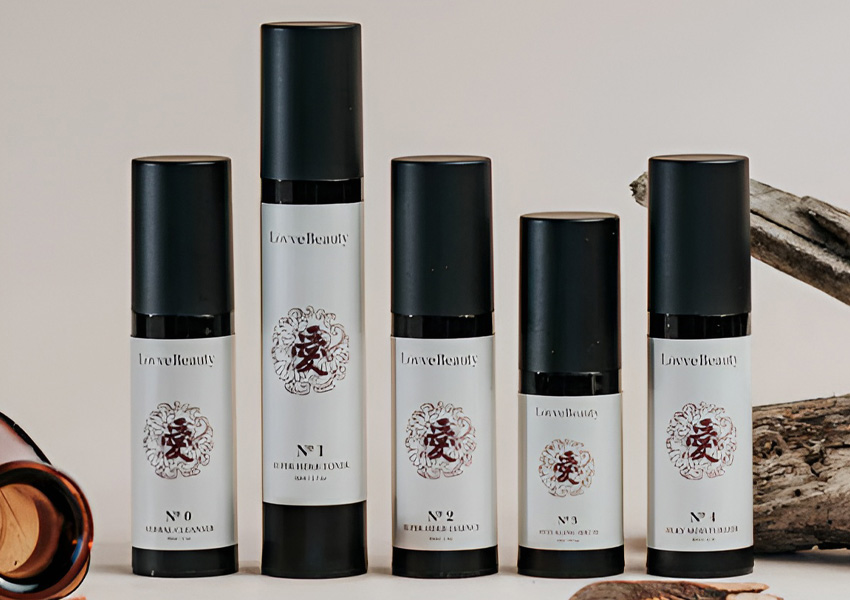
Valentine’s Day can also honor the most important relationship of all: the one with yourself. JeenaLavie’s holistic skincare blends Traditional Chinese Medicine with modern care, making it a thoughtful self-love gift.
Herbal remedies, mindful beauty rituals, and natural products encourage people to slow down and nurture their bodies—reminding us that love begins from within.
For Personal Connection: Unique Valentine’s Gifts in Jewelry:
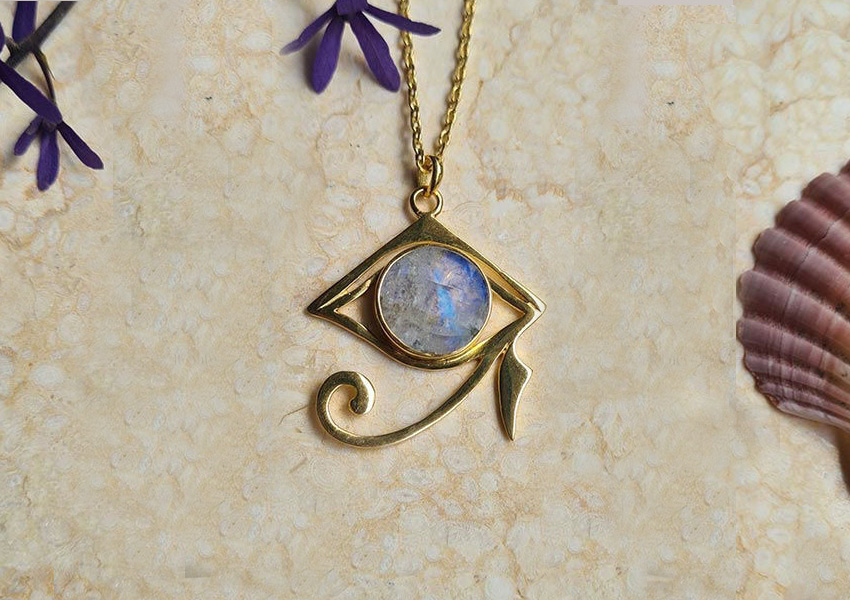
Jewelry has always been a language of love. JeenaLavie’s Egyptian-inspired pieces, created by Balinese artisans, carry ancient symbolism and craftsmanship.
Each necklace or bracelet feels like a wearable story rather than a trend accessory. For something deeply cultural, the Small Brass Twin Horses Figurine can also symbolize partnership, balance, and mutual respect—making it a poetic, unique Valentine’s gift.
Valentine’s Day as a Yearly Reminder of Love
Rather than viewing February 14 as a one-day spectacle, it can serve as a gentle checkpoint in our emotional lives. How are we loving ourselves? How are we showing up for others? How are we caring for our environment and creative communities?
Love, in this sense, becomes a daily practice—expressed through kindness, patience, artistry, and mindful choices. Valentine’s Day simply shines a spotlight on what should already exist year-round.
Conclusion
The journey of Valentine’s Day—from ancient rituals to saintly sacrifice to modern romance—reveals how deeply love is woven into human history. What began as a religious observance evolved into a celebration of connection, and now embraces creativity, wellness, and conscious living.
By choosing thoughtful, handmade, and intentional gifts from JeenaLavie, you are not just celebrating a holiday—you are honoring love in its most beautiful forms: artistic, spiritual, and human.
Whether through words, shared moments, or a carefully chosen handmade treasure, love is always worth celebrating.