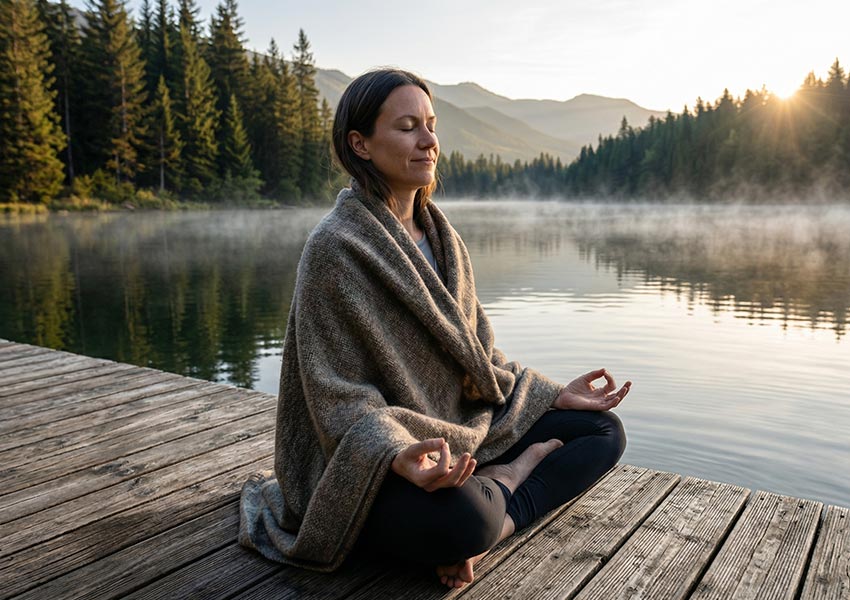
Why Meditation Matters More Than Ever
Did you know that just 10 minutes of meditation a day can significantly transform your mental and emotional well-being?
As you close your eyes and take a deep breath, you feel the weight of the day slowly lifting off your shoulders. This simple act of meditation has the power to calm your mind, soothe your emotions, and restore your inner balance.
In today’s fast-paced world, where constant notifications, deadlines, and responsibilities overwhelm us, prioritizing mental health and self-care has never been more important. Meditation offers a gentle pause — a moment to reconnect with yourself, slow down, and simply be.
Whether you're completely new or looking to build a consistent routine, this beginner-friendly guide will help you start your meditation journey with clarity and ease.
What is Meditation? (And Why It Works)
At its core, meditation is the practice of bringing your attention to the present moment.
It’s not about silencing your thoughts completely — it’s about becoming aware of them without judgment. Over time, this awareness creates space between you and your reactions, helping you respond to life more calmly and consciously.
Meditation works by:
-
Activating the body’s relaxation response
-
Reducing cortisol (stress hormone) levels
-
Improving emotional regulation
-
Strengthening focus and awareness
Think of it as a workout — but for your mind.
How to Start Meditation for Beginners
Starting meditation doesn’t require any special skills or equipment. All you need is a few minutes and a willingness to begin.
1. Find a Quiet & Comfortable Space
Choose a place where you feel safe and undisturbed. It could be a corner of your room, your balcony, or even your bed.
Sit comfortably with your back straight. You don’t have to sit cross-legged — a chair works just fine.
2. Focus on Your Breath
Close your eyes and bring your attention to your breathing.
Notice:
-
The air flowing in and out
-
The rise and fall of your chest
-
The natural rhythm of your breath
Your breath acts as an anchor, bringing you back whenever your mind drifts.
3. Gently Handle Distractions
Your mind will wander — and that’s okay.
Instead of getting frustrated, simply notice the distraction and gently bring your focus back to your breath. This process is actually the heart of meditation.
4. Start Small & Stay Consistent
Begin with 5–10 minutes a day. As it becomes a habit, you can gradually increase the duration.
Consistency matters more than perfection.
5. Create a Calming Ritual
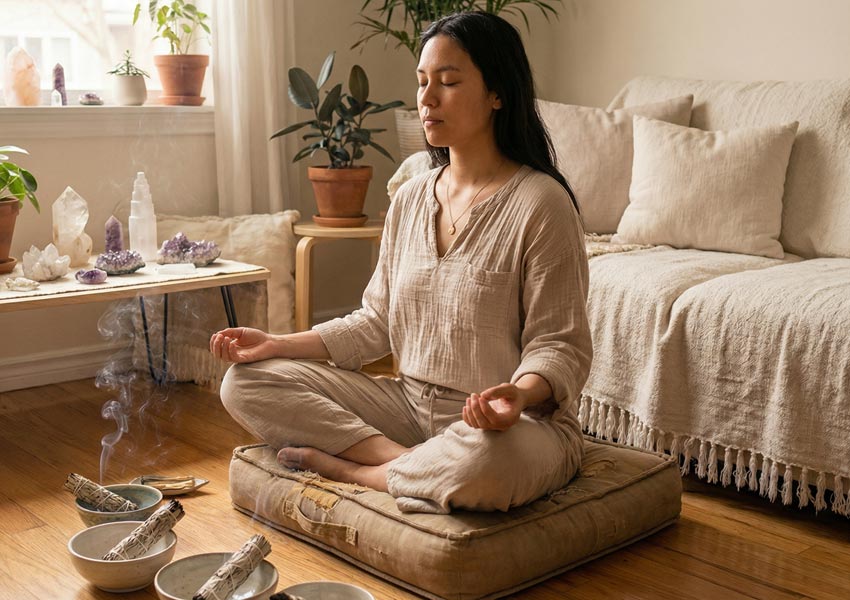
Adding small elements like soft lighting, incense, or essential oils can make your meditation feel more intentional and enjoyable.
Over time, your mind will begin to associate these elements with relaxation and mindfulness.
Common Meditation Challenges (and How to Overcome Them)
Every beginner faces challenges — the key is not to give up.
“I Can’t Stop Thinking”
This is the most common concern. Meditation is not about stopping thoughts — it’s about observing them without attachment.
Think of your thoughts like clouds passing by — you notice them, but you don’t chase them.
“I Don’t Have Time”
You don’t need hours, just a few minutes.
Try:
-
Morning meditation before checking your phone
-
A quick session before bed
“I’m Not Doing It Right”
There’s no perfect way to meditate.
If you’re showing up, breathing, and trying — you’re already doing it right.
Body Scan Meditation: A Beginner-Friendly Technique
If focusing on breath feels difficult, Body Scan Meditation is a great alternative.
This technique involves bringing awareness to different parts of your body, one at a time.
How to practice:
-
Start from your toes
-
Slowly move upward through your body
-
Notice sensations, tension, or relaxation
-
Observe without trying to change anything
This practice helps you:
-
Release stored tension
-
Improve mind-body awareness
-
Feel deeply grounded and relaxed
It’s especially helpful after a long, tiring day.
Benefits of Meditation for Mind & Body
Meditation is more than just a moment of calm — it creates lasting positive changes.
Improves Focus & Concentration
Meditation strengthens your ability to stay present, making it easier to focus on tasks and avoid distractions.
Reduces Stress & Anxiety
By calming the nervous system, meditation helps reduce stress levels and promotes emotional balance.
Enhances Emotional Well-Being
Meditation allows you to observe your emotions without being overwhelmed by them, leading to greater self-awareness and compassion.
Improves Sleep Quality
Struggling with restless nights? Meditation helps quiet the mind, making it easier to fall asleep and stay asleep.
Encourages a Positive Outlook
Over time, meditation shifts your perspective, helping you approach life with more patience, gratitude, and clarity.
Also Read: Meditation as the Ultimate Self-Care Hack
Creating Your Ideal Meditation Space
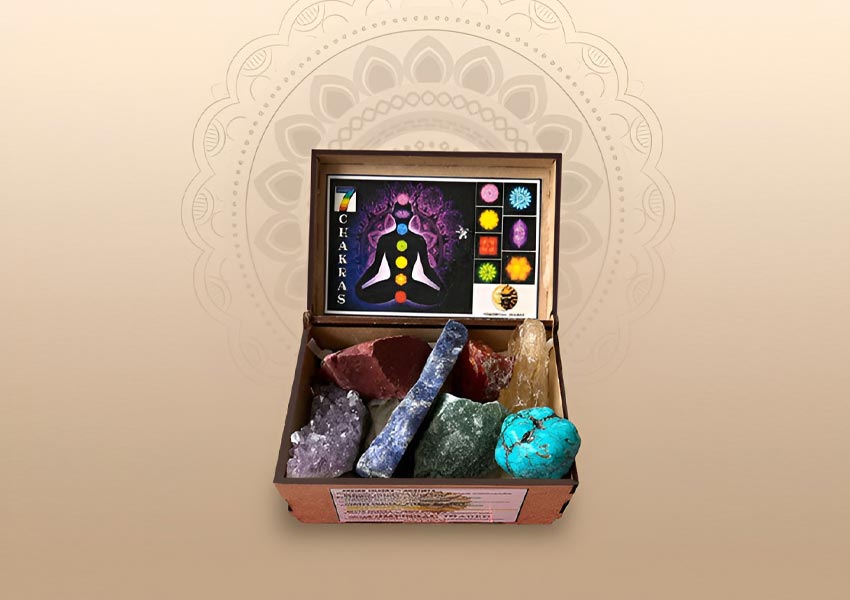
7 Chakra Crystal Set • Healing Stones for Energy Balance
Your environment plays a big role in how you feel during meditation.
You don’t need anything elaborate — just a few thoughtful touches:
-
A clean, clutter-free space
-
Soft lighting or candles
-
Comfortable seating
-
Calming scents like lavender or eucalyptus
You can also include:
-
Crystals for intention-setting
-
Incense or smudge sticks for grounding energy
Creating a dedicated space makes your practice feel like a ritual rather than a task.
Meditation Myths You Should Stop Believing
❌ Meditation is only for spiritual people
Not true. Anyone can practice meditation — regardless of beliefs.
❌ You need to stop all your thoughts completely
Impossible. The goal is awareness, not emptiness.
❌ Meditation takes too much time
Even a few minutes daily can bring noticeable benefits.
How to Stay Consistent with Meditation
Consistency is where the real transformation happens.
Here are a few simple tips:
-
Set a fixed time daily
-
Start small (don’t overwhelm yourself)
-
Use guided meditation apps if needed
-
Pair meditation with an existing habit (like morning tea or bedtime routine)
Remember — it’s okay to miss a day. Just come back the next day without guilt.
Begin Your Journey to Inner Peace
Meditation is one of the simplest yet most powerful acts of self-care.
You don’t need perfect conditions or hours of free time. All you need is a few minutes, a quiet moment, and the intention to slow down.
Start small. Stay consistent. And most importantly, be gentle with yourself.
Because sometimes, the most profound transformation begins with something as simple as a single breath.
FAQ Section
Q1. How long should beginners meditate?
Start with 5–10 minutes daily and increase gradually.
Q2. Can meditation help with anxiety?
Yes, regular meditation helps calm the mind and reduce anxiety.
Q3. What is the easiest meditation for beginners?
Breath-focused meditation or body scan meditation are great starting points.
Q4. Do I need tools for meditation?
No, but tools like essential oils or incense can enhance the experience.