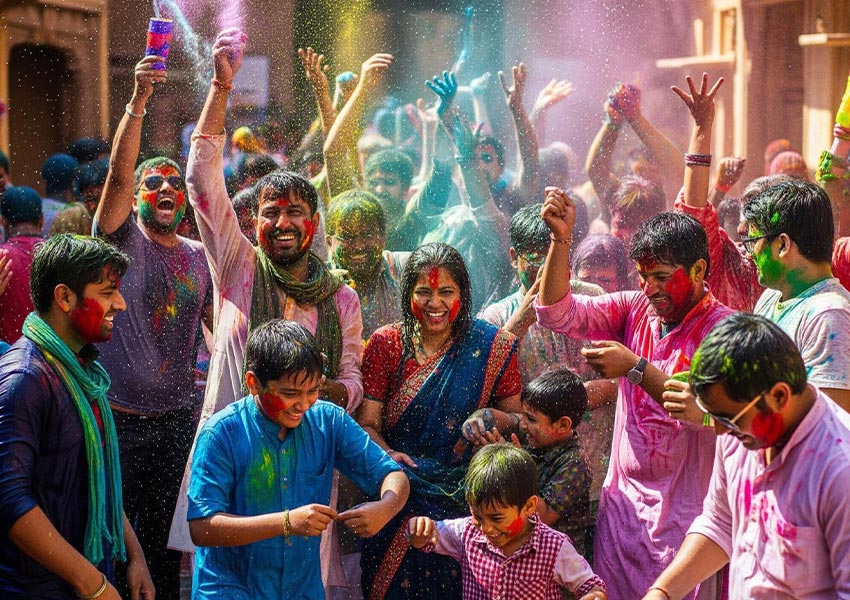
What if there was one day each year when differences dissolved, laughter filled the air, and the world exploded into vibrant shades of red, yellow, green, and pink?
That day is the Holi festival — India’s beloved Festival of Colors and one of the most joyous spring celebrations in the world.
Celebrated across India and now globally, Holi is far more than just throwing colored powder, aka gulaal. It is a deeply symbolic festival that represents the triumph of good over evil, renewal after winter, devotion, forgiveness, and the arrival of spring.
Let’s explore the history of Holi, its spiritual meaning, rituals, and how it is celebrated around the world — while also understanding how we can celebrate it more consciously today.
Why Is Holi Celebrated?
The Holi festival is celebrated primarily to mark:
-
The victory of good over evil
-
The arrival of spring
-
The end of winter
-
Renewal, forgiveness, and unity
Holi happens on the full moon day in the Hindu month of Phalguna, typically in March. But its meaning goes far deeper than seasonal change.
The Legend Behind Holi
Holika Dahan and Prahlad:
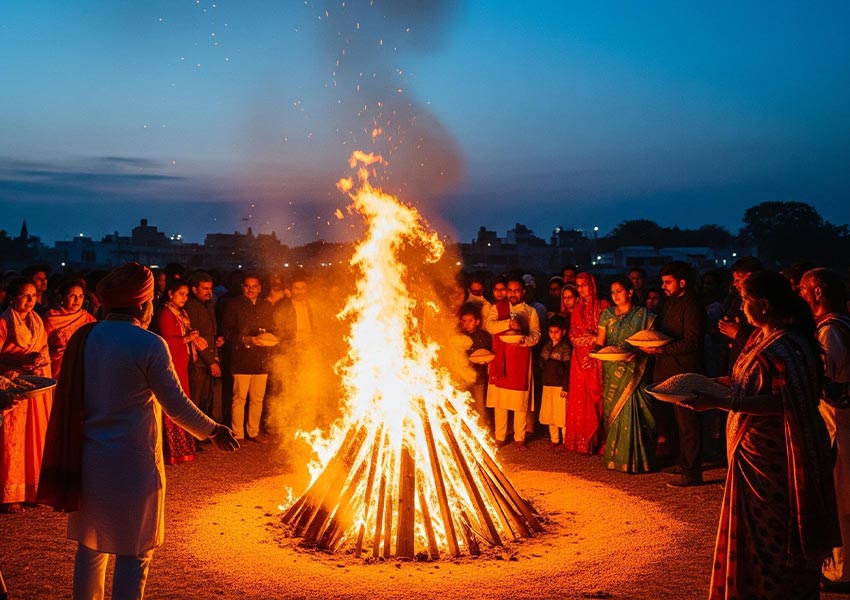
One of the most powerful stories explaining the significance of Holi is the tale of King Hiranyakashipu and his son Prahlad.
Hiranyakashipu, a demon king, demanded that everyone worship him. However, his son Prahlad remained a devoted follower of Lord Vishnu. Enraged by his son’s devotion, the king conspired to kill him.
He enlisted his sister Holika, who had a boon that made her immune to fire. She sat in a blazing fire holding Prahlad, intending to burn him alive. However, because her protection only worked when she entered the fire alone, Holika was burned while Prahlad survived unharmed.
This event symbolizes:
-
Faith conquering arrogance
-
Devotion triumphing over ego
-
Good prevailing over evil
On the eve of Holi, bonfires known as Holika Dahan are lit to commemorate this victory.
The Krishna–Radha Connection:
Another beautiful dimension of the Holi festival is its association with Lord Krishna and Radha.
According to legend, young Krishna complained to his mother about Radha’s fair complexion compared to his darker skin. His mother playfully suggested he color Radha’s face. This playful act evolved into the tradition of applying colors during Holi.
In Mathura and Vrindavan — Krishna’s birthplace and childhood home — Holi is celebrated with extraordinary devotion and joy.
Holi Celebration Traditions in India
Holi in India typically unfolds over two days.
Day 1: Holika Dahan (Choti Holi)
Communities gather wood and light bonfires symbolizing the burning of negativity. Families pray, sing devotional songs, and perform rituals around the fire.
The ritual represents purification — letting go of resentment, ego, and past grievances.
Day 2: Rangwali Holi (Festival of Colors)
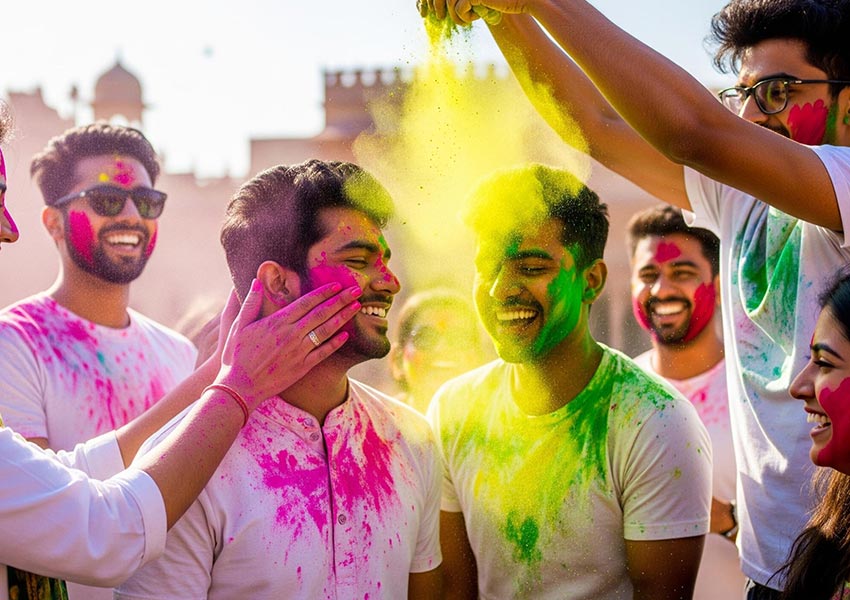
The second day of Holi, known as Rangwali Holi, is the heart of the celebration and the image most people around the world associate with the Festival of Colors. As the morning sun rises, streets, courtyards, and open grounds begin to transform into canvases of laughter and vibrant hues.
Friends and families gather dressed in white — a symbolic blank canvas — ready to be drenched in color. Gulal, the soft powdered pigment traditionally made from flowers and herbs, is gently smeared on cheeks as a gesture of affection and goodwill. Soon after, playful chaos takes over. Pichkaris spray arcs of tinted water into the air, clouds of pink and yellow burst into laughter-filled skies, and music pulses through neighborhoods.
The rhythm of dhol drums and iconic Bollywood Holi songs set the mood as people dance freely, unconcerned with status, age, or background. Plates of freshly made gujiya, malpua, and mathri circulate among guests, while chilled glasses of thandai — sometimes infused with bhang — add to the festive spirit.
For a few magical hours, social boundaries dissolve. Strangers become friends, differences fade into color, and joy becomes the only language spoken. Rangwali Holi is not just about color on the skin — it is about celebration in its purest, most uninhibited form.
The Deeper Spiritual Meaning of Holi
Beyond the vibrant celebrations, the Holi festival carries a profound spiritual message. At its core, Holi is about emotional cleansing and inner renewal. Just as the Holika bonfire symbolizes the burning away of evil, it also represents releasing resentment, ego, fear, and old wounds that no longer serve us.
Holi invites us to repair relationships, forgive freely, and begin again with a lighter heart. When colors are applied gently to another person’s face, it is more than playful mischief — it is a gesture of acceptance and unity. In that moment, social labels blur, differences soften, and community harmony takes precedence over division.
Spiritually, the story of Prahlad reminds us that unwavering faith and authenticity always outlast arrogance and negativity. Holi encourages us to nurture devotion to our highest self and let that inner light flourish.
The festival also aligns beautifully with the rhythms of nature. In Ayurveda, spring is a season of detoxification and rejuvenation — a time when the body and mind shed winter’s heaviness. Holi mirrors this seasonal transition, reminding us that renewal is both a natural and spiritual process.
Conscious & Eco-Friendly Holi: A Modern Perspective
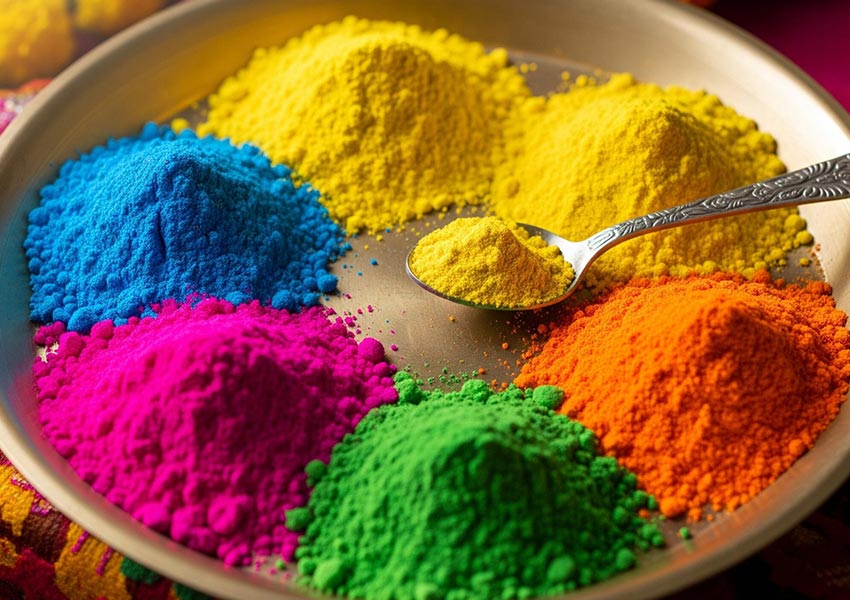
In recent years, synthetic chemical colors have raised environmental and health concerns.
Traditionally, Holi colors were made from:
-
Turmeric (yellow)
-
Neem leaves (green)
-
Palash flowers (orange)
-
Beetroot (pink)
-
Sandalwood (red)
These plant-based colors were skin-friendly and biodegradable.
Today, celebrating an eco-friendly Holi by choosing natural colors is not only safer but also aligned with mindful living and sustainability.
At JeenaLavie, we believe festivals are most beautiful when celebrated consciously — honoring both tradition and the planet. Check out our collection for essentials that align with your conscious lifestyle.
How Is Holi Celebrated Around the World?
Though Holi originated in India, it is now celebrated globally.
Nepal:
Holi in Nepal mirrors Indian traditions but includes unique customs like raising a ceremonial bamboo pole called Chir before the festival begins. Kathmandu’s Basantapur Durbar Square becomes a vibrant celebration zone filled with music and color.
United States (Spanish Fork, Utah):
The “Festival of Colors” at the Hare Krishna temple in Spanish Fork attracts tens of thousands annually. It blends spirituality, yoga, music, and color throwing in a welcoming atmosphere.
Germany (Berlin):
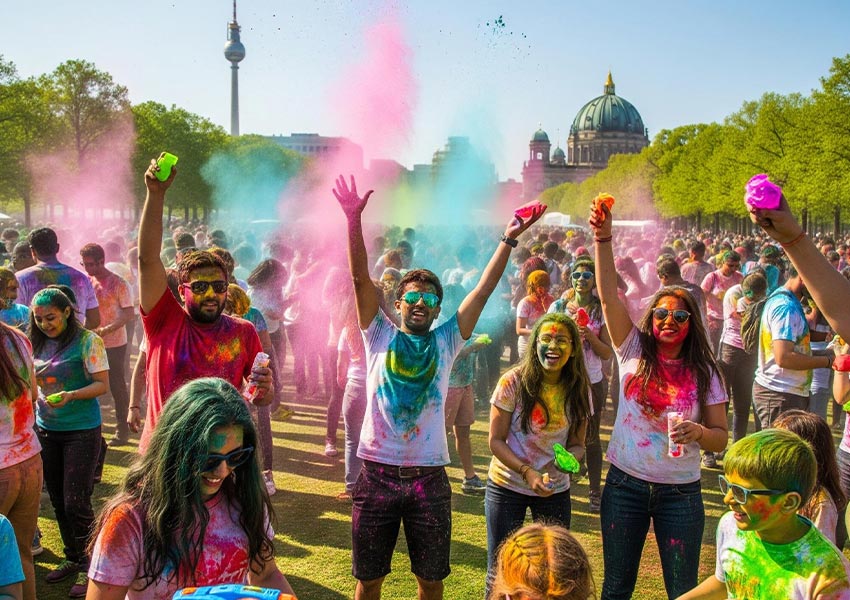
Berlin hosts large summer color festivals inspired by Holi traditions, featuring music, dance, and color countdowns.
Mauritius:
With a significant Hindu population, Holi is widely celebrated. Beach bonfires and vibrant street celebrations mark the festival.
United Kingdom (London):
Holi-inspired color festivals and community celebrations take place throughout spring and summer, bringing together multicultural communities.
The Symbolism of Holi Colors
Each color used during Holi carries symbolic meaning:
-
Red – Love and fertility
-
Yellow – Knowledge and learning
-
Green – New beginnings and harvest
-
Blue – Divine energy
-
Pink – Compassion
The Festival of Colors is a celebration of life’s diversity.
Regional Variations of Holi in India:
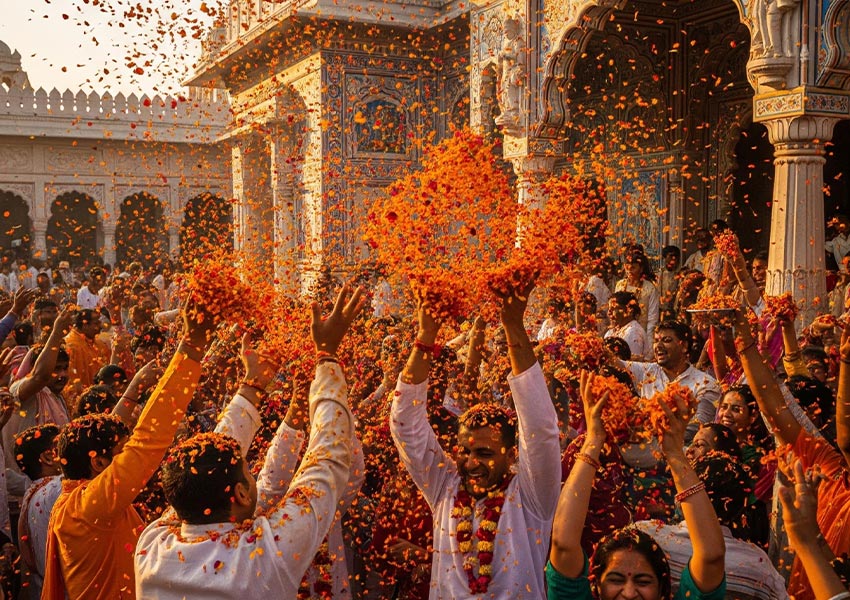
India’s cultural diversity means Holi looks slightly different in each region.
Lathmar Holi (Barsana): Women playfully hit men with sticks.
Phoolon ki Holi (Vrindavan): Celebrated with flower petals instead of powder.
Rang Panchami (Maharashtra): Celebrated five days after Holi.
These variations add rich cultural layers to the festival.
How to Celebrate Holi Mindfully
Here are a few eco-conscious ways to celebrate:
✔ Choose natural or organic colors
✔ Avoid wasting water
✔ Wear breathable cotton fabrics
✔ Protect skin with natural oils before playing
✔ Share homemade sweets
✔ Celebrate inclusively
A conscious celebration enhances the joy.
Frequently Asked Questions About Holi Festival
1. Why is Holi called the Festival of Colors?
Because people celebrate by throwing colored powders and water at one another, symbolizing joy and unity.
2. What is Holika Dahan?
Holika Dahan is the bonfire ritual on the eve of Holi that represents the victory of good over evil.
3. When is Holi celebrated?
Holi is celebrated on the full moon day (Purnima) in the Hindu month of Phalguna, usually in March.
4. Is Holi only a Hindu festival?
Though rooted in Hindu mythology, Holi is widely celebrated across communities and religions.
5. How can I celebrate Holi sustainably?
By using plant-based colors, reducing water waste, and choosing eco-friendly products.